Global conflicts and geopolitical tensions have always influenced financial markets, but their impact on real estate is more nuanced, and often more strategic.
Unlike stocks or currencies, which react instantly, real estate responds through shifts in capital flows, construction costs, and investor behavior over time.
Today, these shifts are creating both pressure and opportunity, depending on where you’re positioned.
Rising Costs, Slower Supply
Global conflicts and geopolitical tensions have always influenced financial markets, but their impact on real estate is more nuanced, and often more strategic.
Unlike stocks or currencies, which react instantly, real estate responds through shifts in capital flows, construction costs, and investor behavior over time.
Today, these shifts are creating both pressure and opportunity, depending on where you’re positioned.
Capital Moves Toward Stability
One of the most immediate effects of global instability is the disruption of supply chains.
Materials such as steel, cement, and energy become more expensive, directly impacting development timelines and project feasibility.
In practical terms, this means:
- Fewer new projects entering the market
- Delays in delivery
- Increased value for existing assets
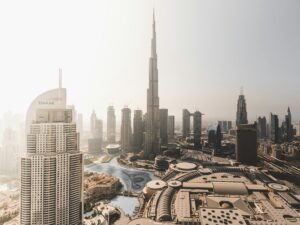
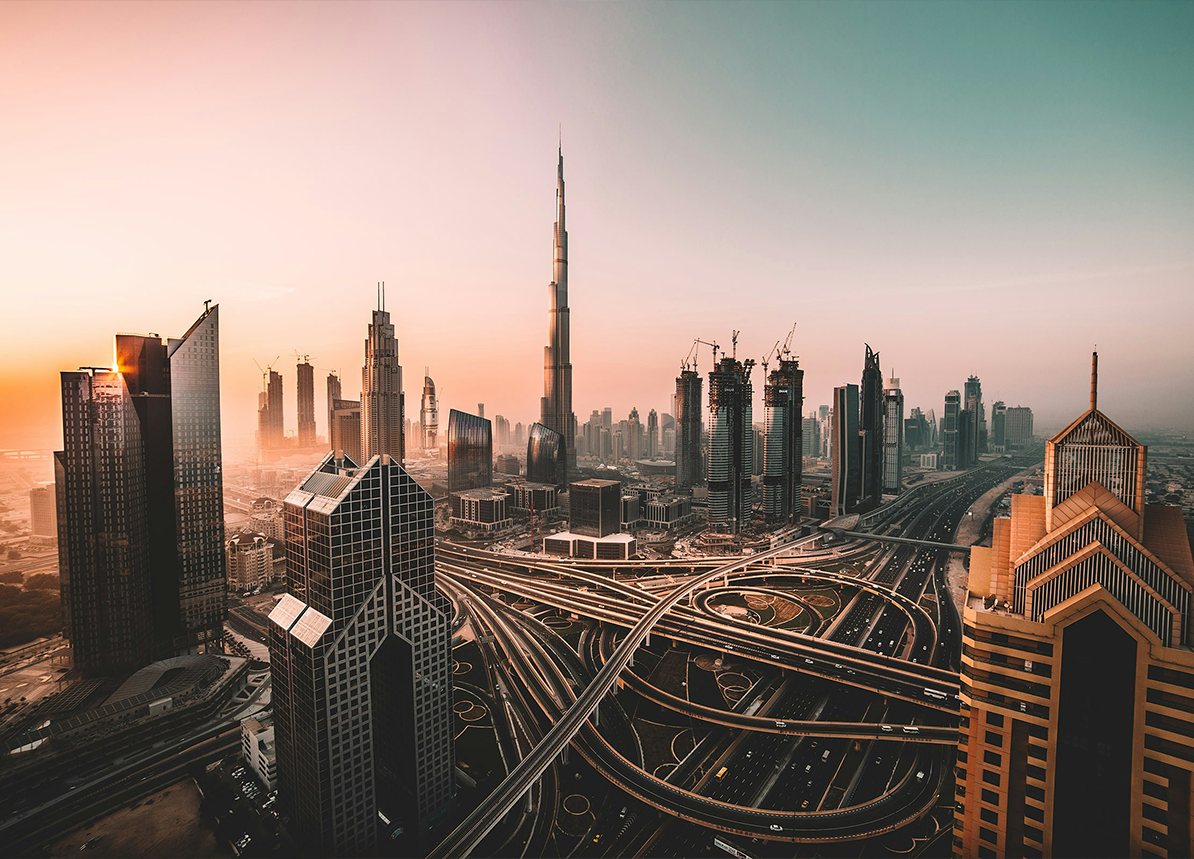
Cities like Dubai have become key beneficiaries of this trend, attracting global capital seeking both security and performance.
Dubai’s Position in the Current Market
Dubai continues to stand out as a market that combines:
- Strong investor demand
- High rental yields
- Tax-efficient structures
In our day-to-day activity, we are seeing a clear pattern:
investors are prioritizing income-generating assets and operational businesses, rather than speculative opportunities.
This is shifting the focus toward:
- Existing businesses
- Commercial assets with stable tenants
- Bulk and off-market transactions
Where the Opportunities Are
While some markets slow down during geopolitical tension, Dubai presents a different dynamic.
Opportunities are emerging in:
- Underperforming assets that can be repositioned
- Owners looking to exit early and protect value
- Off-market deals where pricing and terms are more flexible
This is where strategy becomes critical, not just timing.
Commercial Real Estate: A Strategic Shift
We are also seeing a shift within commercial real estate itself.
While sectors like retail and hospitality may face short-term pressure, others, particularly logistics, warehouses, and operational spaces, are gaining momentum due to changes in global trade and supply chains.
For investors, this creates a more selective market:
not everything performs, but the right assets outperform.
A Market That Rewards Clarity
Real estate remains one of the most stable long-term assets, especially during uncertain periods.
But today’s market is no longer driven by momentum, it’s driven by decision-making.
The key questions are no longer:
- Is the market good or bad?
But rather:
- Where is the value?
- What is underpriced?
- What can be optimized or repositioned?
Final Perspective
Global instability is not just a risk, it’s a filter.
It separates reactive decisions from strategic ones.
Markets like Dubai continue to attract capital not because they are unaffected, but because they offer clarity, structure, and opportunity within uncertainty.
If you’re exploring opportunities or considering an exit, our team works closely with clients to structure, position, and execute with clarity and speed.